The Playdate is an incredible on-ramp to game development. The limitations of the system help us focus our efforts and lead to wider experimentation and innovation. The openness of the platform builds a passionate community that embraces all of the wild ideas people have for games and finally have the ability to execute.
Pulp was my path onto Playdate. The simplified graphics and preset tools made developing an idea feasible. Exploring that initial idea and many more since has been extremely fulfilling, and I feel well paid back for my time and effort – both in the energy I’ve received from the community and in the revenue the games have generated through itch.io and Catalog.
Really, there has ever only been one issue I’ve had with Pulp development and that is the ability to share my games outside of the community.
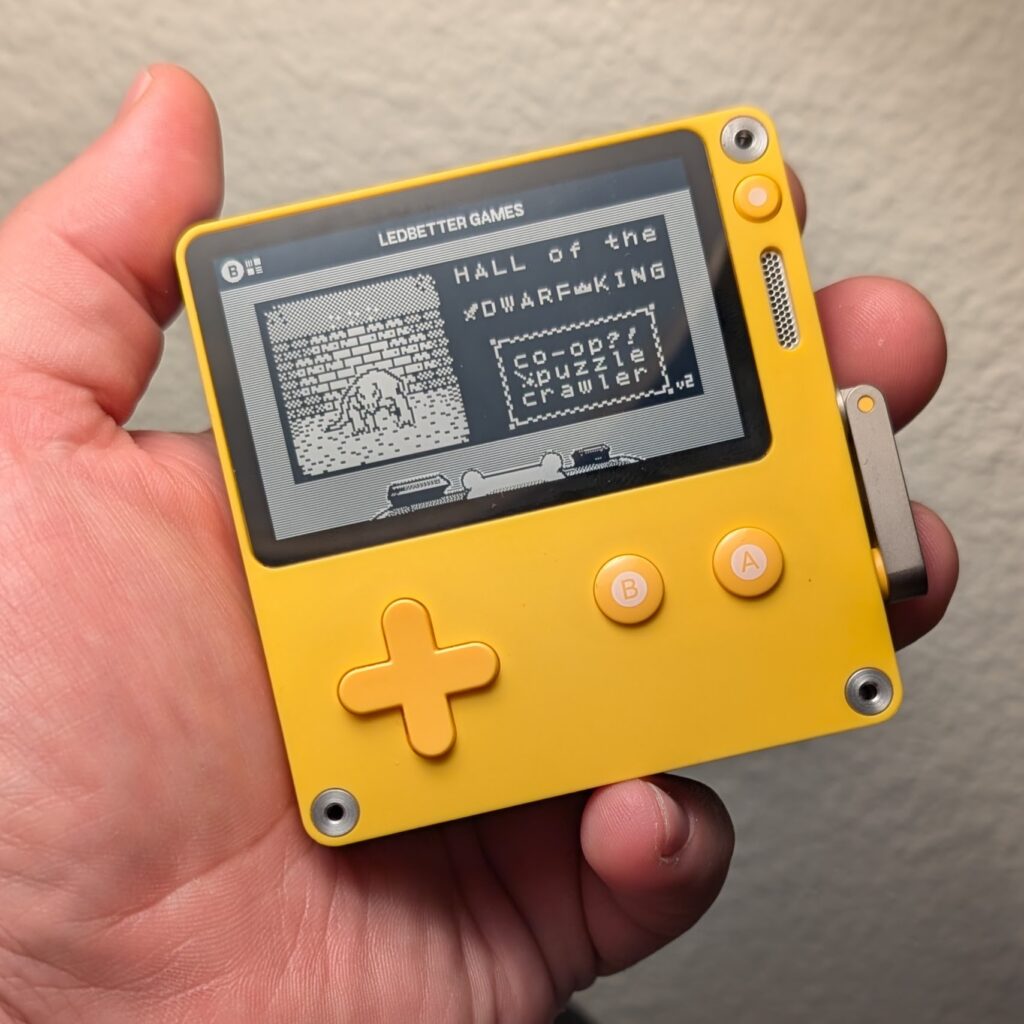
I don’t mean that literally; I can send the game files to anyone of course. But the current process for someone to play a Pulp game without a Playdate is to download and install the SDK on a computer and then unzip my game’s .pdx folder into the proper place to run it, using the keyboard or an attached controller. Yes, I can set that up for someone, but No, my mother is not going to do that. My extended family, many of my friends, know I develop for Playdate. They will not experience my games unless 1) I show and play them with them directly or 2) they get a system themselves. Obviously, I encourage option 2 as much as possible, but there will always be a segment for which this is prohibitive.
So, I cannot tell you how excited I am for Zest.
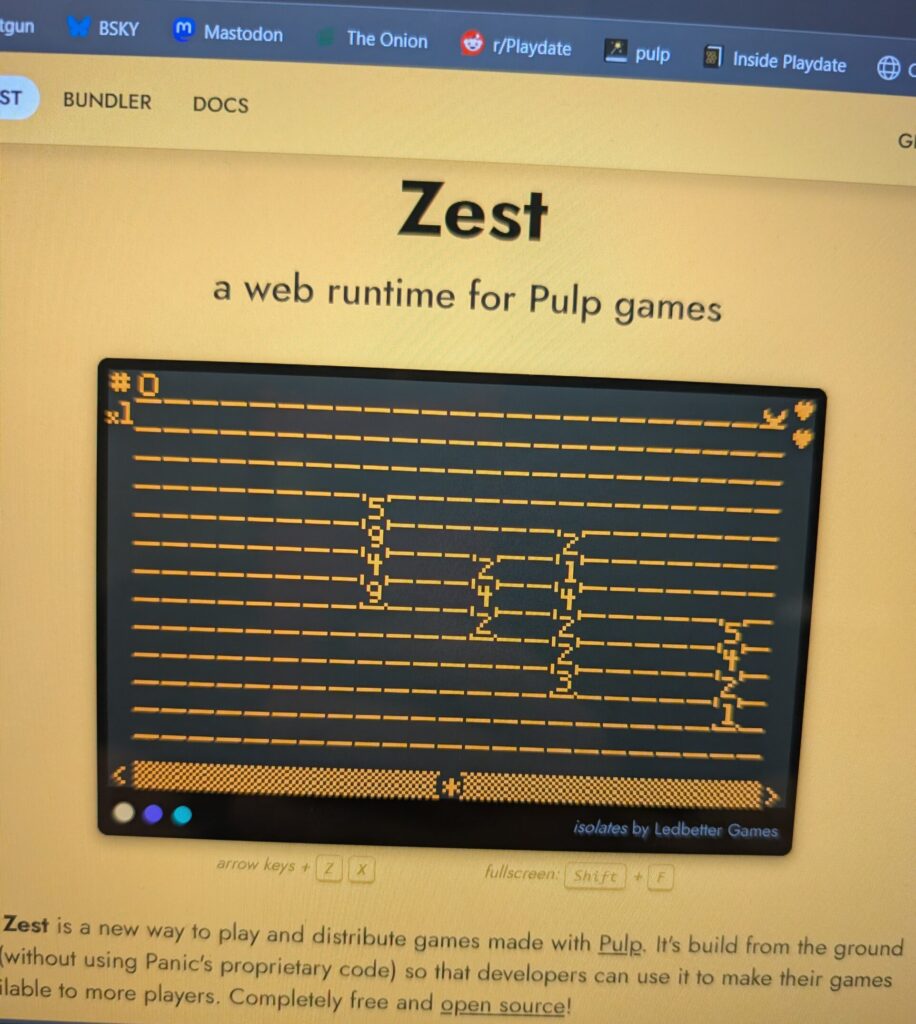
What is Zest? It’s a web runtime for Pulp games that is being written from the ground up by developer Tijn (https://tkers.dev/) who also made Soko, Voidblazers and Panic! At the Patch for Ware-wolf Campfire Stories.
What that means is that we can use the Zest bundler (https://tkers.dev/zest/bundler/) to turn a Pulp .json source file into a game playable on a webpage. What that really means is that we can post our games online or share them in way that anyone with a web browser can play! The runtime is out now in beta and you can test it with any of your .json source files. Tijn is steadily working through bugs and thinking through bundler options.
Even now, there are things we can do with Zest not possible on the Playdate – like controlling the color palette dynamically or opening a webpage from within the game in a separate tab. Hello YouTube tutorials!
Tijn even instituted a zest variable to detect where the game is running in order to reduce our need to maintain multiple versions of a project. This way we can script functionality in browser and keep it in the same file we distribute on Playdate!
Seeing something like this has been a dream for sometime now. There have been a few attempts, but nothing on the level of what Tijn is creating. The ramifications for distribution are huge. You could host a Pulp game publicly on itch.io You could use it for accessible demos of your games to send to press or for wider testing. There’s even the chance to take a zest build and turn it into an application for PC or perhaps… Steamdeck? There’s a lot of potential!
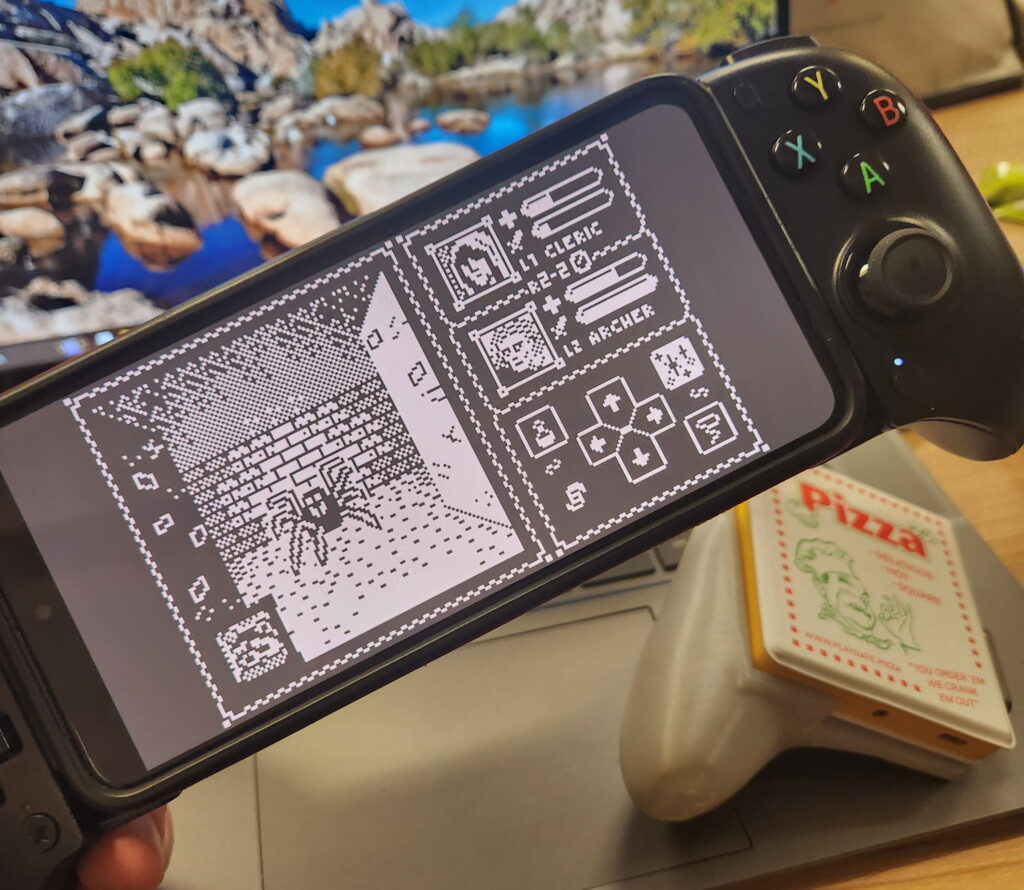
So where does that leave Playdate? Honestly, in a fantastic position. The Playdate is a niche system. It is OUR niche system, but we often hear that the install base of the Playdate doesn’t make dev worth it. From a professional developer’s standpoint that may make sense. However, this enables new devs to join and create for the system with all of the benefits above and access to a very passionate community. This knocks down a distribution barrier, but does not preclude creating with the Playdate itself in mind.
Most games will still look best and sell best on Playdate. The device experience is second to none with the crank, pocketability and gorgeous screen. Additionally, Panic has never limited what devs could do with their games. We are free to create with their tools and release wherever we like. With Zest opening up Pulp distribution, it creates a more appealing pathway to game development and potentially sales.
More games are released every year, with most making less than a few hundred dollars in revenue. A Catalog title typically does better than that due to the Playdate’s passionate base. We may be a small community, but we do tend to support our creators. Now a wider world of developers awaits us both in the generation that is realizing that they have the capacity to create and the older gamers that never thought they could.